
Low-Power Tank Monitoring System
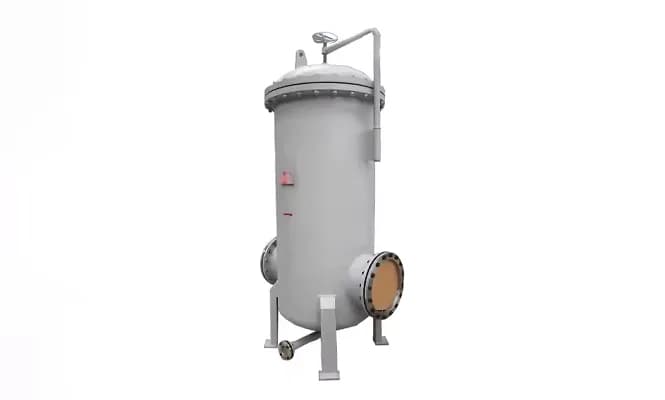
Zentis needed a battery‑powered tank pressure monitor that could run for more than six months without maintenance. We engineered a low‑power pressure sensor, optimized the power budget at the circuit level, and delivered a Sub‑1 GHz (sub-1ghz) data link for long‑range, low‑energy communication. The solution includes custom PCB design, embedded firmware, and a remote monitoring algorithm/software layer for dependable field operation. The result was a robust, low‑touch system the client affectionately called “The Sleeping Beauty.”
What We Did
Designed the schematic and custom PCB, built a low‑power pressure sensor, and developed embedded firmware plus a sub‑1ghz remote monitoring algorithm/software stack.
Client
Zentis GmbH & Co., Germany
Impact
Achieved 6+ months of battery operation while delivering reliable tank‑pressure visibility — nicknamed “The Sleeping Beauty” by the client.
Approach & scope
- - Designed the schematic and custom PCB, built a low‑power pressure sensor, and developed embedded firmware plus a sub‑1ghz remote monitoring algorithm/software stack
Outcomes
- - Achieved 6+ months of battery operation while delivering reliable tank‑pressure visibility — nicknamed “The Sleeping Beauty” by the client.
- - Zentis needed a battery‑powered tank pressure monitor that could run for more than six months without maintenance
- - We engineered a low‑power pressure sensor, optimized the power budget at the circuit level, and delivered a Sub‑1 GHz (sub-1ghz) data link for long‑range, low‑energy communication
- - The solution includes custom PCB design, embedded firmware, and a remote monitoring algorithm/software layer for dependable field operation
Technology stack
Plan a technical consultation
Share your requirements and we will propose a tailored engineering roadmap. Typical response time: 1 business day.
Related case studies
Delivered a flagship‑level device with built‑in dosage/volume calculation, diagnostics PC software, and production‑ready compliance (EMC/LVD) and cost analysis support.
Enabled hospital-to-home wound care continuity with autonomous therapy adaptation, early bleeding detection via LOOP EYE, and a scalable remote monitoring architecture — all within a sub-$100 production cost target.
Enabled continuous intracranial pressure monitoring with dependable diagnostics and improved clinical decision support.